Whether it's food packaging, clothing, hygiene articles or coffee-to-go cups - the list of everyday objects made of plastic is long. Since the beginning of plastic use, the annual production volume has increased exponentially. Whereas in 1950 it was around 1.5 million metric tons, today the global average is around 407 million metric tons per year. A 270-fold increase in plastic production within 70 years.
Yet only just under 20 percent of the plastics consumed annually in Germany today are currently recycled. About half is stored in long-life products, the other half appears as waste, of which in turn less than 50 percent is actually recycled and not used for energy, i.e. incinerated. Globally, the recycling percentage is even lower. Large portions of the plastic waste of many countries end up in landfills that are not always operated according to modern standards. True to the principle of "out of sight, out of mind," a lot of waste is still thrown away. The result: many developing countries are drowning in mountains of plastic waste, as plastic is colloquially known. Plastic is found in large quantities in cities, on land surfaces, in rivers and in our oceans worldwide. Over time, the plastic decomposes into microplastics with risks for humans and the environment.
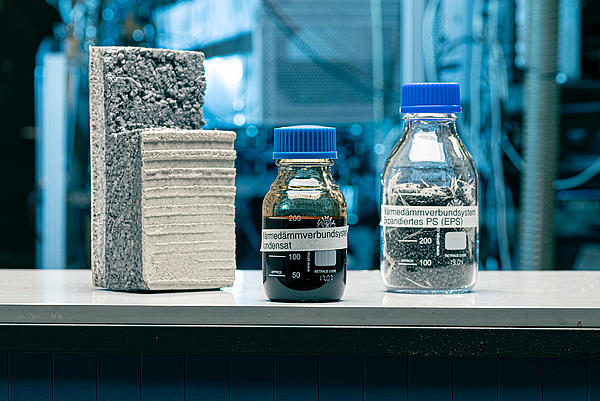
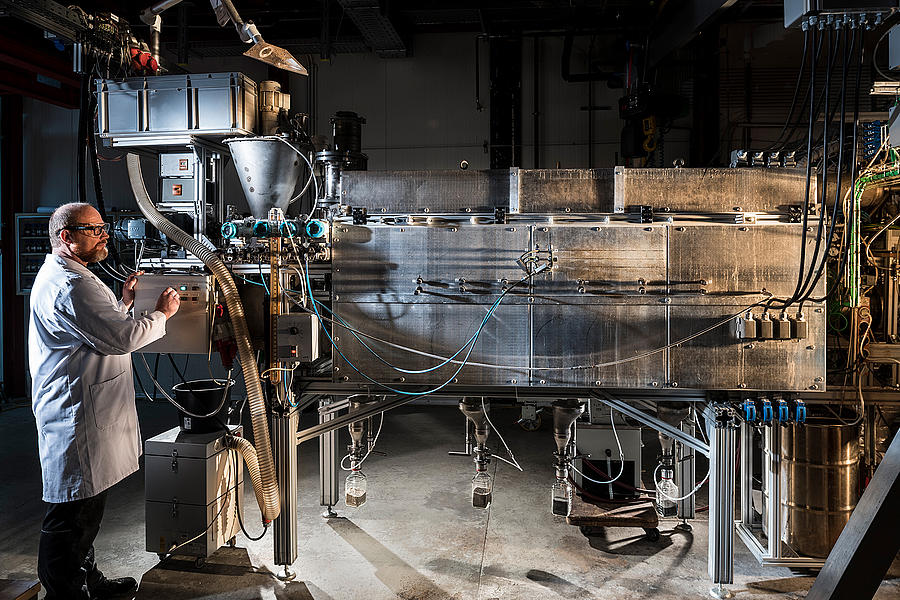
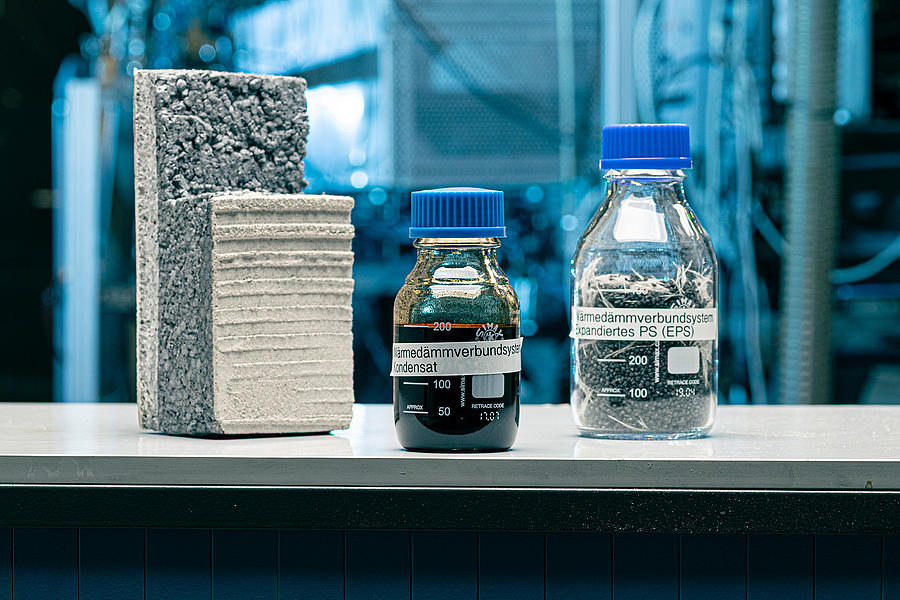
At KIT, several projects deal with the topic of plastic recycling in order to cope with the global waste problem.